Where Is HMS Queen Elizabeth Now: The Latest Updates and Strategic Outlook
The HMS Queen Elizabeth, one of the Royal Navy's flagship aircraft carriers and a potent symbol of global Britain, consistently captures the public's imagination and interest. Queries about where is HMS Queen Elizabeth now are among the most frequent, reflecting its significant role in defense and diplomacy. As a cornerstone of the UK's Carrier Strike Group (CSG) capabilities, its movements are closely watched, signaling strategic intentions, operational readiness, and the dynamic nature of modern naval power. This article, the third in our series, delves into the most recent credible information regarding its whereabouts, current activities, and what its positioning signifies for the future of UK defense.
Current Status: Unveiling the Latest Position of HMS Queen Elizabeth
As of recent reporting and operational patterns, HMS Queen Elizabeth has typically been engaged in a cycle of intensive training, scheduled maintenance periods, and strategic deployments. While exact real-time locations for security reasons are rarely disclosed immediately, publicly available information often indicates whether the carrier is undergoing essential refits, conducting trials in UK waters, or deployed abroad. Currently, after a period of significant activity including participation in multinational exercises, the carrier has been focusing on readiness and strategic positioning.
Recent patterns suggest that the carrier has been operating in the North Atlantic and European waters, engaging in critical exercises aimed at strengthening interoperability with NATO allies. These exercises are crucial for maintaining the high readiness state required for a vessel of its complexity and strategic importance. For detailed insights into its initial operational capabilities and maiden deployment, you can refer to Where Is Hms Queen Elizabeth Now - Article 1. The ability to seamlessly integrate with allied forces is a testament to its advanced systems and the rigorous training of its crew.
It's important to remember that for an asset like HMS Queen Elizabeth, "being in port" or "in maintenance" is as much a part of its operational cycle as being at sea. These periods are vital for ensuring the carrier remains at peak performance, ready for any future deployment or contingency.
The Rationale Behind Its Location: Maintenance, Training, and Readiness
Understanding where is HMS Queen Elizabeth now requires appreciating the multifaceted demands of operating a supercarrier. Its location is not random but dictated by a carefully planned schedule that balances maintenance requirements, crew training, and strategic defense objectives.
- Scheduled Maintenance and Upgrades: Like any complex machinery, the HMS Queen Elizabeth requires periodic maintenance, refits, and technological upgrades to remain at the forefront of naval capability. These periods, often conducted in major UK naval bases like Portsmouth, are essential for ensuring the ship's longevity and operational effectiveness. They involve everything from routine engine checks to sophisticated software updates and structural inspections.
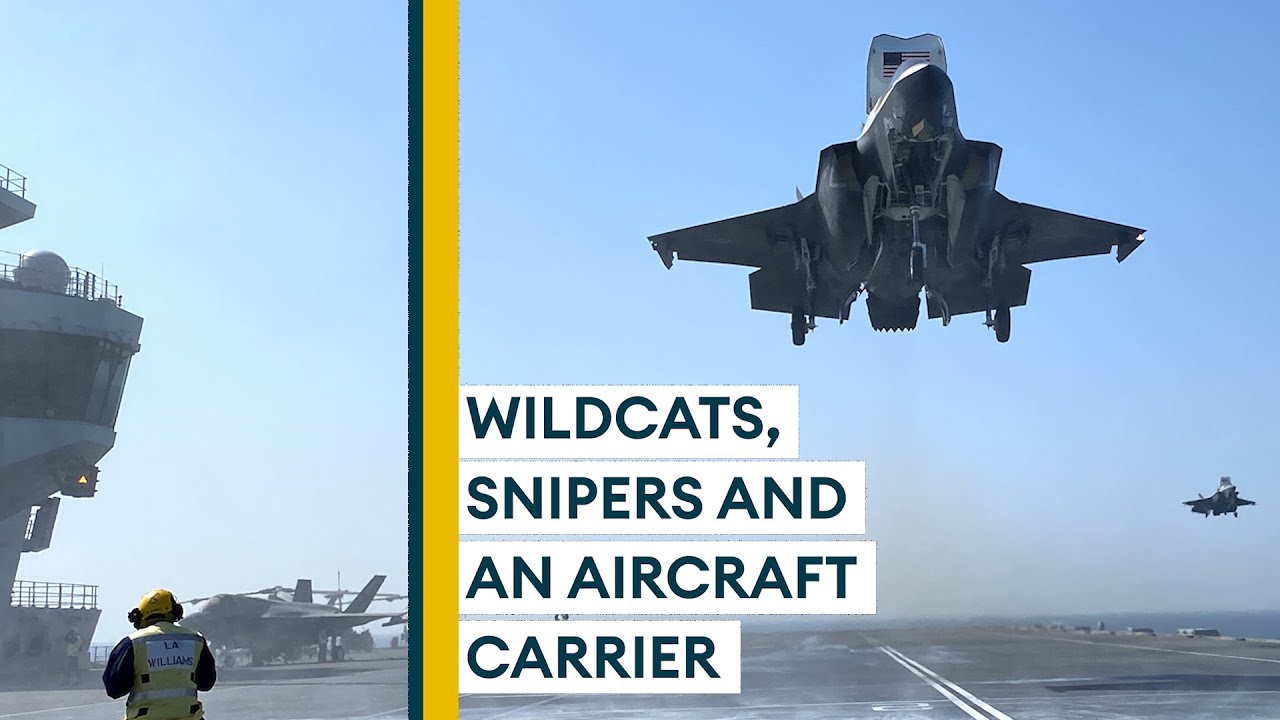
- Intensive Training Regimes: Before, during, and after deployments, the crew undergoes rigorous training. This includes flying operations with F-35B Lightning jets, helicopter operations, damage control exercises, and combat scenario simulations. Much of this training takes place in home waters, utilizing the UK's extensive maritime training areas. The carrier often serves as a floating airbase for qualification trials for new pilots and continued proficiency for experienced ones.
- Maintaining High Readiness: The ultimate goal of all these activities is to ensure the Carrier Strike Group is in a state of high readiness, capable of deploying rapidly to any global hotspot. This involves maintaining a sophisticated logistical chain and a highly skilled crew prepared for a wide range of missions, from humanitarian aid to combat operations. The continuous cycle of training and maintenance ensures that when the call comes, HMS Queen Elizabeth is ready to answer.
The strategic planning behind these movements ensures that the UK maintains a credible global presence and the ability to project power when necessary. Insights into previous deployments and exercises can be found in Where Is Hms Queen Elizabeth Now - Article 2.
Strategic Deployments and Global Reach: What Comes Next for the Carrier
While the immediate focus might be on its current activities, the long-term outlook for HMS Queen Elizabeth involves continued strategic deployments across the globe. These deployments serve multiple critical purposes:
- Power Projection: The carrier provides the UK with the capability to project air and naval power thousands of miles from its shores, influencing events and protecting national interests.
- Diplomacy and Partnerships: Visits to foreign ports strengthen diplomatic ties and demonstrate commitment to alliances. The carrier often participates in joint exercises with partner navies, fostering interoperability and mutual understanding.
- Global Security: From safeguarding vital shipping lanes to participating in anti-piracy operations or contributing to international stability, the carrier's presence is a significant tool in maintaining global security.
Future deployments are likely to include regions of increasing strategic importance, such as the Indo-Pacific, demonstrating the UK's commitment to freedom of navigation and a rules-based international order. The flexibility and versatility of the Carrier Strike Group mean it can adapt to emerging threats and evolving geopolitical landscapes, making its movements a key indicator of the UK's foreign and defense policy priorities.
Practical Tip: To better understand the context of its movements, pay attention to official statements from the Ministry of Defence and the Royal Navy, which often outline the strategic objectives of current or upcoming deployments. These resources provide invaluable insights into why the carrier is in a particular location or embarking on a specific mission.
Understanding Carrier Operations: A Peek Behind the Curtains
Operating a vessel like HMS Queen Elizabeth is an immense undertaking, requiring the synchronization of thousands of personnel, cutting-edge technology, and vast logistical support. The sheer scale of its operations makes its location and activities a matter of global interest. Here are some key facts that underscore its operational complexity:
- Crew Complement: The ship typically carries a crew of around 700, which swells to about 1,600 when the full air wing (F-35B jets, Merlin helicopters, Wildcat helicopters) is embarked.
- Air Wing Capabilities: The F-35B Lightning II jets are crucial for its offensive and defensive capabilities, offering stealth, supersonic speed, and advanced sensor fusion. These jets are maintained and operated from the carrier's vast flight deck.
- Logistical Demands: Supplying the carrier at sea requires continuous resupply operations, often involving other Royal Fleet Auxiliary (RFA) vessels, delivering fuel, food, ammunition, and other critical supplies.
- Global Reach: With a range of over 10,000 nautical miles, HMS Queen Elizabeth can operate effectively in nearly any ocean, demonstrating the UK's commitment to projecting influence worldwide.
The operational patterns of HMS Queen Elizabeth are meticulously planned years in advance, though adaptable to unforeseen circumstances. Its movements are not merely about showing the flag; they are about maintaining a credible and capable defense asset that can respond to a diverse array of challenges, from humanitarian crises to high-intensity conflict. Every decision regarding where is HMS Queen Elizabeth now is steeped in strategic considerations, contributing to national security and international stability.
Conclusion
The question of where is HMS Queen Elizabeth now continues to be a point of significant public and strategic interest. Whether undergoing essential maintenance in its home port, engaging in intense training exercises with allied forces, or embarking on a high-profile international deployment, the carrier's activities are always purposeful. It represents the pinnacle of British naval power and a vital instrument for projecting the UK's influence and protecting its interests on the global stage. As the world continues to evolve, so too will the missions and deployments of HMS Queen Elizabeth, reaffirming its status as a critical asset in the Royal Navy's ongoing commitment to global security and stability.